


A week on a diet not because you want to lose weight but because you can’t afford truck stop prices can make anyone rethink life on the road.
Why does it feel like you had your hardest month, but your bank statement looks like you took the month off?
Knowing where your money goes is the first step to controlling it.
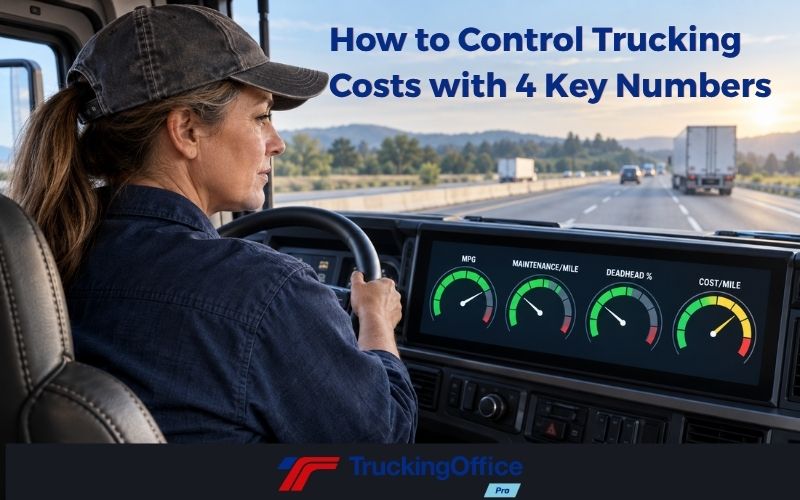
Owner-operators can control trucking costs by tracking miles per gallon, maintenance cost per mile, deadhead percentage, and total cost per mile. Watch the trends, find what changed, and act before a small increase becomes a big bill.
In the 2026 Analysis of the Operational Costs of Trucking, the American Transportation Research Institute reported:
The industry-average cost to operate a truck in 2025 was $2.336 per mile, 3.4 percent higher than the previous year and the highest per-mile cost in the report’s history. Excluding fuel, costs rose by 4.2 percent to $1.854 per mile.
That’s the industry average—not your cost per mile. Your number may be higher or lower.
A trucking company has two basic ways to improve its profit:
- Bring in more money.
- Cut costs.
Most owner-operators spend a lot of time chasing better-paying loads. Better rates help, but so does knowing exactly where your money goes. Understanding how much you must spend to keep a truck on the road – and the driver fed – is the key to building a successful trucking business.
Four Key Performance Indicators
You’ve got important indicators that warn you about how your trucking business is functioning. Like the low oil pressure warning light on your dashboard, these Key Performance Indicators are not something to ignore.
Key performance indicators are measurements used to track performance toward a goal. Think about playing darts: the bullseye is the goal, while your scores show how well you’re performing. Tracking those scores shows whether you’re improving.
In trucking, the target might be lowering operating costs. MPG, maintenance cost per mile, deadhead percentage, and expense per mile help show whether you’re getting closer to that target—or drifting into the breakdown lane.
Take the Quiz

What’s Eating Your Profit?
Your numbers are waving red flags. Can you identify the cost culprit?
1. Your truck is using more fuel, but the routes and loads haven’t changed. Which KPI deserves the side-eye?
A. Deadhead percentage
B. Miles per gallon
C. Number of snacks purchased per fuel stop
Answer: B—Miles per gallon. Check tire pressure, idling, driving habits, and equipment condition before your fuel budget needs roadside assistance.
2. Your truck keeps returning to the repair shop like it has a preferred parking space. Which KPI should you watch?
A. Maintenance cost per mile
B. Deadhead percentage
C. Mechanic’s boat-payment progress
Answer: A—Maintenance cost per mile. A rising trend may reveal recurring repairs or equipment that is becoming too expensive to operate.
3. Your miles are climbing, but your revenue isn’t. Which KPI may have caught the culprit?
A. Miles per gallon
B. Deadhead percentage
C. The mysterious receipt under the passenger seat
Answer: B—Deadhead percentage. Empty miles still consume fuel, maintenance, and time. They just have the bad manners not to produce revenue.
What Key Performance Indicators Should You Watch?
Here are the four we think are critical for controlling costs.
Use miles, fuel, and expenses from the same time period for each calculation.
| Key Performance Indicator and Formula | What it tells you |
| Miles Per Gallon Total miles ÷ gallons used | Fuel efficiency |
| Maintenance Cost per Mile Maintenance and repair costs ÷ total miles | What maintenance and repairs cost for every mile driven |
| Deadhead Percentage Empty miles ÷ total miles × 100 | Non-producing miles that add to costs. |
| Expense Per Mile (Cost per Mile) Total operating expenses ÷ total miles (deadhead and loaded) | How much revenue each mile must earn to cover operating expenses |
Watch these indicators over time. One unusual week may not mean much, but a sudden or steady change deserves attention.
How Does Tracking Miles Per Gallon Help Control Costs?
Tracking miles per gallon can reveal rising fuel consumption caused by excessive idling, low tire pressure, driving habits, route conditions, weather, heavy loads, or equipment problems. But those factors don’t make MPG meaningless. They help explain why it changed.
Cost-Control Move: Track Miles Per Gallon
If MPG drops, check tire air pressure when the tires are cold – before the day’s drive begins. Check the fuel pump and lines for a fuel leak. Changes in operating conditions may explain normal fluctuations, while sudden or sustained changes may signal a developing problem.
How Does Maintenance Cost per Mile Help Control Costs?
Maintenance cost per mile can reveal rising repair costs and help you determine whether an aging truck is becoming too expensive to operate. It can be an important signal of your truck’s overall condition. Maintenance trends can help you decide whether to repair it again or begin planning for a replacement.
Cost Control: Monitor Maintenance Cost Per Mile
If the maintenance cost per mile increases, review repair and DVIR records for recurring problems or increasing wear. Monitor tires, brakes, and suspension components so you can service them before they cause a roadside breakdown, cost you a load, or an inspector puts the truck out of service.
How Does Tracking Deadhead Help Control Costs?
Increased deadhead percentages mean that more of your miles are consuming fuel, maintenance, and time without producing revenue. Once you count the empty miles before and after a load, a great-looking rate may not look so great.
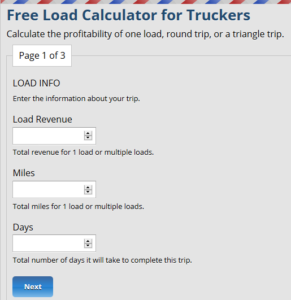
Use a load calculator like TruckingOffice’s Free Load Profit Calculator to make that decision a lot easier.
Cost-Control Move: Reduce Unprofitable Deadhead Miles
If your deadhead percentage increases, look for return loads before booking freight, include deadhead when calculating load profitability, and improve routing with PC*Miler or another commercial truck-routing program.
How Does Cost per Mile Help Control Costs?
Expense per mile, also called cost per mile, tells you how much it costs to move your truck one mile. That doesn’t seem like much, but it’s the basis for many decisions you need to make. You don’t want to take a load for less than that – you’re not sightseeing, you’re working a job to support yourself and your family.
Choosing loads is only one result from knowing your cost per mile. If your cost per mile climbs, find out what changed. Fuel, repairs, insurance, or another expense may be eating more of your revenue. If it drops, find out why so you can keep doing what worked.
Why should you know your cost per mile?
Knowing your cost per mile helps you determine the minimum rate you need to cover expenses and avoid hauling unprofitable loads. There are times when the choice is between a bad load and none at all, sticking you with an empty trailer the whole way home. With CPM in mind, you might find a different load to a better market that reduces the loss for some of the trip.
How to Calculate Your Cost Per Mile (CPM)
Cost per mile is calculated by dividing your expenses by your miles.
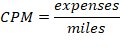
Cost per mile changes with fuel prices, mileage, repairs, insurance, seasonal operations, and the method used to record expenses. Calculate your CPM for a consistent period—usually monthly—using the same expense categories and mileage method each time.
And try not to bang your head against your steering wheel when you see that final number. If you assumed that high-paying, cross-country loads were going to put some serious cash into your wallet, you may have discovered why that didn’t happen.
How Can You Reduce Cost per Mile?
Then use the practical list:
- Reduce idling.
- Control your speed.
- Maintain tire pressure.
- Keep up with preventive maintenance.
- Reduce deadhead.
- Use fuel discounts.
- Plan better routes.
- Compare insurance rates.
- Cut unused subscriptions.
- Add profitable miles without adding unnecessary miles.
Frequently Asked Questions About Cutting Trucking Costs
How often should you calculate your CPM?
Calculate your CPM at least on a monthly basis, but if you want to work on cutting costs, weekly is a better choice. If your TMS software can calculate the CPM per load, you can learn what types of loads (distance, weight, route) you want to haul.
What is the fastest way to reduce CPM?
Reducing deadhead miles is the quickest way to reduce CPM. You can look for return loads before you accept a rate con. Certain cities or locations are notorious for bad traffic or poor pay per mile, so negotiate for higher pay to cover the shortfall.
What’s the formula for deadhead percentage?
Deadhead Percentage = (Empty Miles ÷ Total Miles) × 100
What’s a reasonable percentage of deadhead miles?
It’s hard to say what is a reasonable percentage of deadhead miles. There are too many variables. Specialized rigs might find it hard to get return trips, which leads to more deadhead miles. ATRI’s Analysis of the Operational Costs of Trucking: 2026 Update reported that in 2025, tank trucks have a stunning 44% empty rate (page 39). What may be best is for you to track your own percentage and work to decrease it rather than trying to meet the national averages.
Which of these four numbers should I check first?
Start with cost per mile. It’s the bottom-line number — if your CPM is climbing, something in your operation needs attention, and if it’s holding steady or dropping, your loads are working. Once you know CPM moved, use MPG, maintenance cost per mile, and deadhead percentage to figure out which expense is driving the change.
Can TMS Software Calculate Cost Per Mile?
Most complete trucking management software can compute cost per mile with the data that was entered at dispatch and expenses properly uploaded. Some trucking software only functions as load management software and may not have the capability to compute it.
Put Your Business Numbers on the Dashboard
Your truck has gauges that warn you when something is wrong. Your trucking business should, too. TruckingOffice PRO helps you track MPG, maintenance costs, deadhead, and cost per mile before they take another bite out of your profit.
Try TruckingOffice free for 30 days and find out where your money is really going.


Recent Comments