


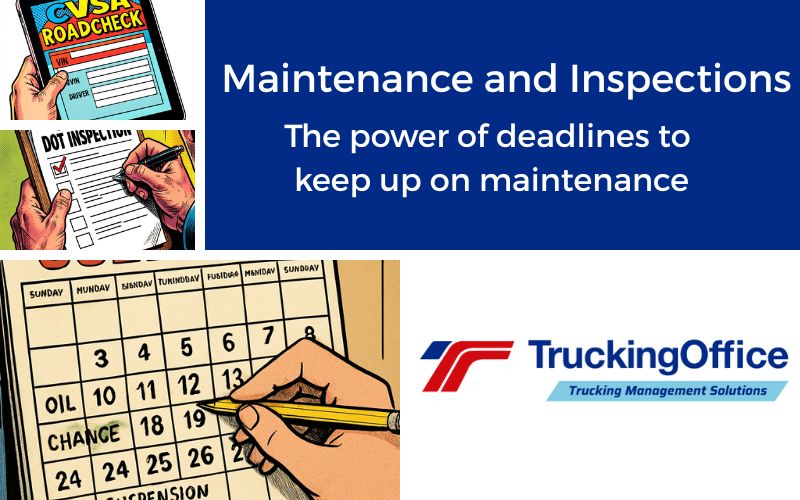
When was the last time you did a full inspection, not a pre-trip inspection, of your rig? The upcoming CVSA Roadcheck isn’t far away. Instead of skipping the week, why not prepare now for your rig’s inspection? Looking ahead and getting ready now will prevent the stress that the Roadcheck can cause.
A roadcheck goes better when your paperwork is already in order — here is what your truck maintenance logs have to contain and how long you have to keep them.
The daily inspection behind those records has a name and a required form — here’s what a DVIR is and how often you have to complete one.
Paperwork counts as much as parts at an inspection: here is what to know about DOT medical card requirements and keeping your certification on file.
The CVSA International Roadcheck is an annual commercial vehicle inspection event run across North America by the Commercial Vehicle Safety Alliance (CVSA). The 2026 Roadcheck ran May 12 through May 14, 2026, and the driver-side focus was electronic logging device (ELD) tampering, falsification or manipulation. Trucks that arrive well maintained clear the inspection lane faster, which is why preventative maintenance — not a last-minute scramble — is the best Roadcheck strategy.
The 2026 Roadcheck focuses on E-logs, so be sure to check your ELD before a DOT inspection as well.
What’s the Roadcheck looking for this year? Is that all a trucker should get ready?
According to the CVSA website, this year’s inspections will take place on May 12 through May 14, 2026. As always, they’ve announced the focus that the inspectors will be checking.
The driver focus for this year’s International Roadcheck is on electronic logging device (ELD) tampering, falsification or manipulation. During an inspection, the inspector will review the driver’s record of duty status as usual and check for false or manipulated entries, with a focus on ELD tampering.
Tampering with an ELD or RODS is a serious problem. Hours of service limitations may be one of the most controversial topics in trucking, but the consequences for exceeding them are pricey.
If a truck has a functional electronic logging device that accurately reports the data, there should be no problem at the inspection, right?
Truck Inspections
The Commercial Vehicle Safety Alliance puts its emphasis on safety. An 80,000 pound truck has to be in the right condition to protect everyone – the trucker, the shipper, and the other drivers on the road.
Many truckers take the week of the CVSA Roadcheck off the road because they don’t want to deal with the inspectors. They’d rather take the week off unpaid than go through the inspection.
Sure, it’s a bit of an ordeal. Especially on the first day, delays can be frustrating when it’s burning hours of service instead of covering miles.
Want to get through the Roadcheck quickly?
Here’s a tip to get through the inspection quickly.
Keep your rig in good shape.
When a well-maintained vehicle moves to the front of the line, that inspection time will drop. It will be obvious to the inspectors when a truck shows up with good tires and clean cab.
By keeping the rig in good shape, it’s not just about getting through inspections quickly. It’s about saving time, saving money, and building a successful trucking business.
What’s the first thing a trucker says when asked what’s the most important part of their business?
It’s always about the rig. Maintenance. Keeping it on the road.
What happens when a vehicle isn’t on the road? It’s not making money. So time off the road is a penalty, one that may be prevented by preventative maintenance.
Tracking repairs
Truck maintenance records are the dated log of who did each repair or service, when it was done, and where — plus the receipts that back it up. Consistent record-keeping proves the work was completed, helps get money reimbursed when a job has to be redone, and builds the repair-cost history an owner-operator needs to plan the next fix or replacement.
There are always repairs as trucks age. And certain maintenance tasks have to be scheduled regularly to keep a vehicle running. The key is keeping records of who, when, and where the work was done. In a perfect world, the work is always done right the first time by trained techs who don’t overcharge.
It’s not always a perfect world.
Using the same techs who are trustworthy and know the rig is the best choice. Record-keeping is easy when it’s consistent. Sometimes work has to be done by other companies. Tracking those repairs and work is important too. Not only for records – if the work isn’t done well or needs to be redone, having accurate records and receipts will help get the money reimbursed or the repairs done right.
Because time off the road costs money.
Saving Money to Invest
Investing in their trucking company for an independent trucker seems obvious. At some point, a new cab or trailer is necessary. The reasons – to increase the number of loads or to expand into new markets – don’t really matter if the money isn’t there.
On-the-road emergencies may be one of the biggest expenses an owner-operator has to face. Investing in the current equipment by taking care of it to prevent those breakdowns is an easy calculation. What does an emergency tow to a repair shop add to the cost of a repair? How much more does a fuel pump cost when it’s installed 2,000 miles from home than locally when there’s no full trailer waiting to make a delivery?
By investing in regular maintenance, those on-the-road emergency expenses are significantly less likely to happen.
Invest in the Future
Then there’s the inevitable replacement costs. Even if it’s not for expansion, buying another rig isn’t cheap. Smart truck owners are saving regularly for that next vehicle with an eye to reducing how much they have to borrow.
Whether it’s building a fleet or just one more truck for an aspiring son or daughter to join the business, when it’s time to buy, having another vehicle is likely to be a financed purchase. Unless the independent trucker has been planning for it, a new vehicle can be an expensive detour away from business success. Maintaining their current vehicle in the best condition possible – and getting through Roadcheck inspections quickly – is keeping money in the business. It’s passive investment in the future of the owner operator’s trucking business.
Get the Roadcheck on Your Side
Sometimes having a deadline helps people get work done. This year’s Roadcheck isn’t too far away – and not too close – to use it as a deadline to take care of maintenance tasks. Talking to a trustworthy tech about how to prioritize repairs and maintenance can establish a plan that will save time, money and allow investments into a future that will pay off.
Roadcheck and Truck Maintenance FAQs
What is the CVSA International Roadcheck?
The CVSA International Roadcheck is an annual commercial vehicle inspection event run by the Commercial Vehicle Safety Alliance, which puts its emphasis on safety. In 2026 the inspections took place May 12 through May 14. Each year CVSA announces the focus area that inspectors will pay extra attention to.
What was the driver focus of the 2026 Roadcheck?
The driver focus for the 2026 International Roadcheck was electronic logging device (ELD) tampering, falsification or manipulation. During an inspection the inspector reviews the driver’s record of duty status as usual and checks for false or manipulated entries. If a truck has a functional electronic logging device that accurately reports the data, there should be no problem at the inspection.
How do I get through a Roadcheck inspection faster?
Keep your rig in good shape. A well-maintained vehicle moves to the front of the line and its inspection time drops — it is obvious to inspectors when a truck shows up with good tires and a clean cab. Preparing before the inspection week beats taking the week off the road unpaid.
Why does preventative maintenance save an owner-operator money?
A vehicle that is not on the road is not making money, so downtime is a direct penalty. On-the-road emergencies are one of the biggest expenses an owner-operator faces — an emergency tow plus a repair 2,000 miles from home costs far more than the same job done locally. Investing in regular maintenance makes those emergency expenses significantly less likely.
Should I keep records of repairs done by outside shops?
Yes. The key is keeping records of who did the work, when, and where — for your regular techs and for other companies. If the work is not done well or needs to be redone, having accurate records and receipts will help get the money reimbursed or the repairs done right.


Recent Comments